Skip to content
techworthit
techworthit

One question, one number. TechWorthIt reads the world's tech reviews and reporting, then tells you whether it's worth your money, with every source linked.

How we scoreAboutContactPrivacyTermsRSS
© 2026 TechWorthIt · We may earn a commission from links. It never changes a verdict.
LatestReviewsDealsSearchSaved 0
techworthit
01 Reviews02 Explainers03 News
SectionNews / Science & Space
AuthorTechWorthIt Desk
PublishedNov 14, 2026 · 2 min

SpaceX catches Starship upper stage on Flight 15, loses booster

The Ship 42 upper stage was caught by the launch tower's arms for the first time on November 14, after the Super Heavy booster aborted its own catch and exploded in the Gulf.

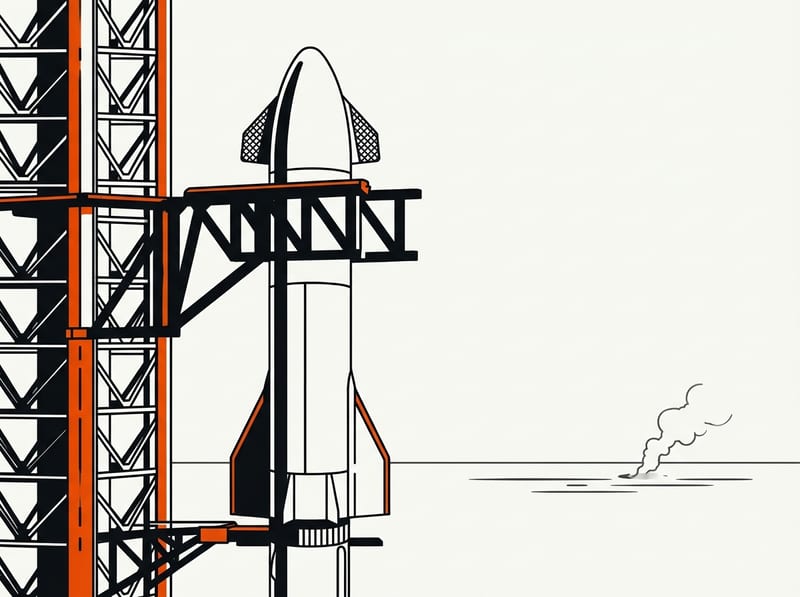
A tall rocket upper stage is held upright by the two large arms of a launch tower, with a distant plume of smoke rising over the water behind it.
Illustration
On this page
  1. Key facts
  2. What went wrong with the booster
  3. Why the Ship catch matters
  4. What to watch next
0% read
On this page · 4 sections ▾
  1. Key facts
  2. What went wrong with the booster
  3. Why the Ship catch matters
  4. What to watch next

SpaceX caught a Starship upper stage with its launch tower's "chopstick" arms for the first time on November 14, 2026, after launching the vehicle on its 15th test flight on November 13. The Super Heavy booster aborted its own catch attempt and exploded over the Gulf of Mexico, so the planned double catch was only half achieved. The Verge and Engadget both reported the Ship catch as a first.

Key facts

  • Launch: Flight 15 lifted off from Starbase, Texas, on November 13, at about 4:47 p.m. local time, according to The Next Web.
  • Payload: Ship 42 deployed 26 Starlink V3 satellites, about 40 minutes into the flight, per Ars Technica.
  • Orbit: the ship stayed up roughly 22 hours and was planned to circle Earth 14 times, according to Space.com and The Next Web.
  • Booster: the Super Heavy V3 diverted to a backup splashdown and exploded before reaching the water.
  • Ship catch: The Verge puts it at around 4:20 p.m. ET on November 14.

What went wrong with the booster

The Next Web reported that the booster canceled the catch on its own after detecting a guidance and navigation problem, citing SpaceX commentator Dan Huot on the company's webcast. Ars Technica described the cause only as an unspecified issue, and said the explosion was powerful even for observers more than 10 miles away.

The Verge says SpaceX is still working to determine why the booster aborted and detonated. SpaceX has caught a Super Heavy booster three times before, but not the newer, larger version 3, per The Next Web and Space.com.

Why the Ship catch matters

Space.com reports that SpaceX wants to launch 10,000 Starship missions per year by 2030, according to Musk, and that catching both stages directly at the tower should cut the time needed for inspection, refurbishment and reflight. Until Flight 15, the company had only targeted ocean splashdowns for the upper stage.

The Ship also had to pass health checks before the attempt. Ars Technica explained that the vehicle flew over parts of Mexico and the United States on its return, so SpaceX would only proceed if the vehicle looked healthy, with earlier ocean deorbit options as a fallback. Heat shield performance remains one of the biggest open hurdles, and SpaceX said it had added tile retention mechanisms and a curved tile design to reduce heating in the gaps between tiles.

The flight was also the second time Starship reached orbit, following Flight 14 on September 28.

What to watch next

The first item is the booster investigation. A recovered V3 booster is what SpaceX needs to demonstrate reuse of the latest vehicle version, and Ars Technica noted it has not yet done so.

The second is the condition of Ship 42 after its catch, particularly its heat shield tiles, since the aim is minimal refurbishment between flights. The sources do not report any inspection findings yet.

Keep reading

News / Phones12d

SpaceX reportedly in talks to buy EchoStar's Boost Mobile

The Washington Post reports Musk met EchoStar's chairman last month about buying Boost or using its network, but AT&T and T-Mobile may hold a veto over the lease.

A satellite with solar panels sends signal arcs down to a cell tower, with a padlock hovering between them.
News / Enterprise20d

Starlink and Starshield restored for Ukraine's drones, Kyiv says

Defense Minister Yevhenii Khmara says military links work again after a speed cap of about 10 days, but who ordered and lifted it remains disputed.

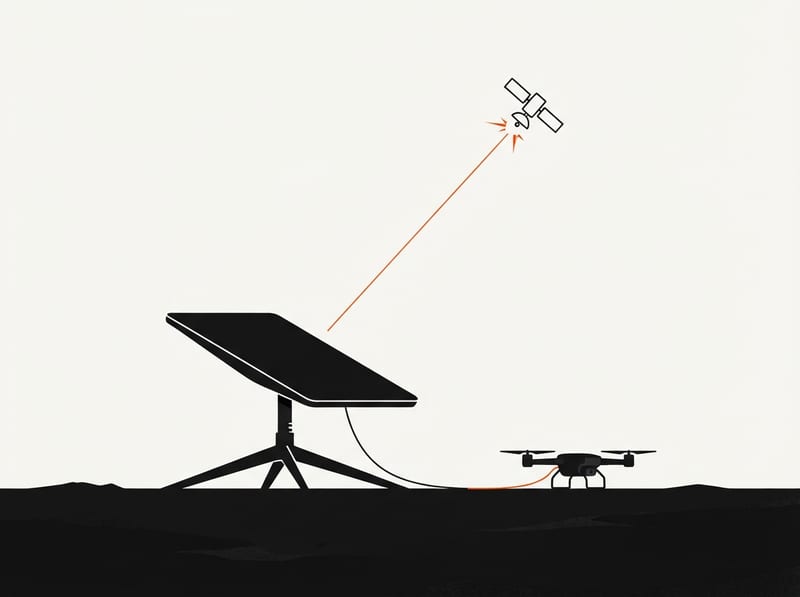
A flat satellite internet terminal on the ground connected by a cable to a small quadcopter drone, with a satellite visible in the sky above.

The third is whether SpaceX attempts a full double catch on a later flight. Musk said on the third-quarter earnings call that success was more likely than not on this flight, a call that proved half right.

Sources

  • Space.com'Don't panic': SpaceX pens familiar message on Starship ahead of historic double-catch test flight↗
  • Ars TechnicaStarship flight 15 powers to orbit—setting up a possible catch on Saturday↗
  • The Next WebSpaceX aborts Starship booster catch, but the ship is still in orbit↗
  • EngadgetWatch SpaceX attempt to catch the Starship upper stage for the first time↗
  • The VergeWatch SpaceX successfully execute the first ‘chopstick’ catch of Starship↗

HOW THIS WAS MADE · Written by the TechWorthIt Desk with AI assistance from 5 published sources, linked above. Facts are cross-checked against those sources before publishing; we never claim testing we didn't do. Last updated Nov 14, 2026. Spotted an error? Tell us.

News / AI13d

xAI must face NAACP Clean Air Act suit over gas turbines

A federal judge rejected xAI's motion to dismiss, finding its gas turbines are not exempt as mobile sources and that citizen suits under the Clean Air Act are constitutional.

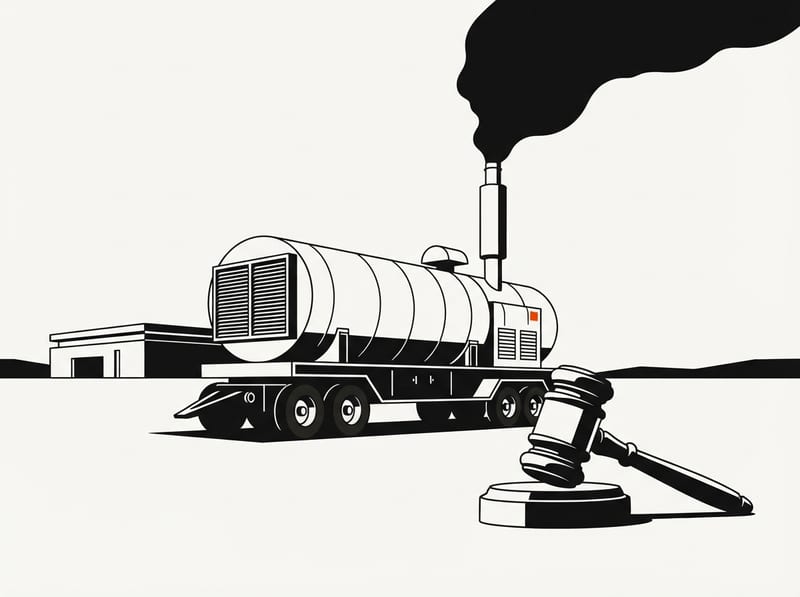
A trailer-mounted gas turbine releasing exhaust beside a data center building, with a judge's gavel in the foreground.
News / Science & Space13d

NASA asks industry for ways to boost or deorbit Hubble

A request for information seeks commercial plans to raise, service or safely dispose of the telescope by 2032, though NASA has no funding set aside for a mission.

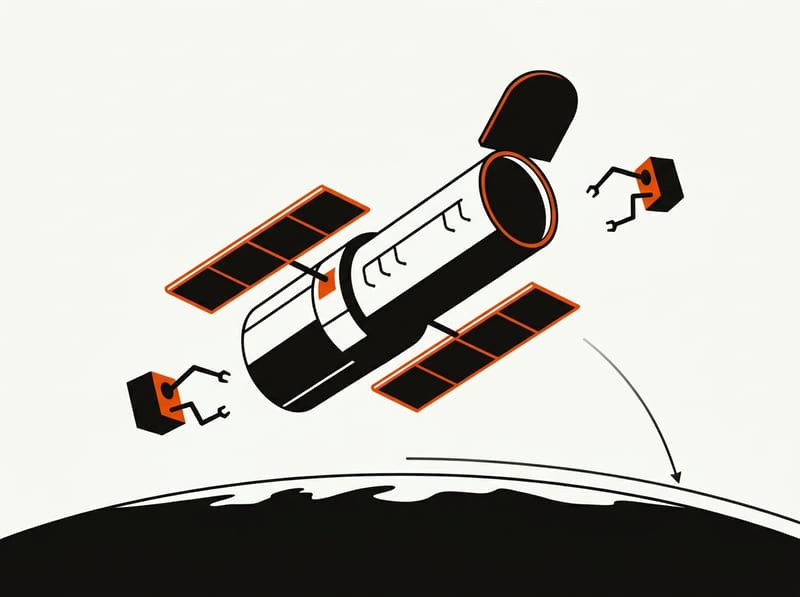
A space telescope in orbit above Earth with a small robotic servicing spacecraft approaching it.