On this page · 4 sections ▾
SpaceX has held talks with EchoStar about buying Boost Mobile or gaining access to its network, The Washington Post reported on November 2, 2026, citing people familiar with the discussions. According to The Next Web, the move would give SpaceX a way to sell its own mobile service in the US as Starlink pushes to compete with the major carriers. Neither company has confirmed the talks or announced a deal.
Key facts
- Elon Musk met EchoStar chairman Charlie Ergen last month, per the Post's reporting as relayed by The Verge.
- Boost Mobile owns no towers and leases capacity from AT&T and T-Mobile.
- TechCrunch reports EchoStar has about 7.5 million customers across Boost Mobile and Gen Mobile.
- In October, SpaceX agreed to buy low-band spectrum from Grain Management for around $8 billion.
- EchoStar shares rose about 4% in early trading on Monday, before US markets opened, The Next Web reports.
The lease problem
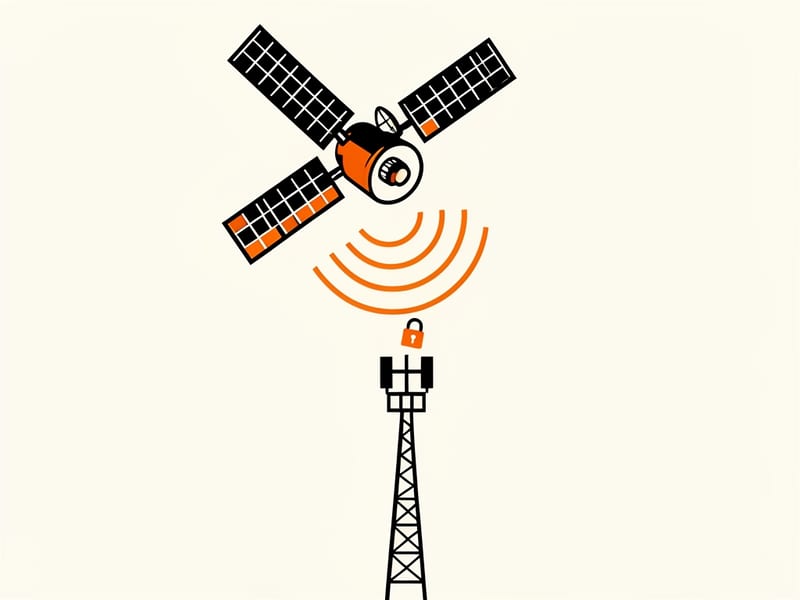
The main obstacle is the network lease. The Post reported that such leases are usually nontransferable, so SpaceX may need approval from both AT&T and T-Mobile to take over Boost's access.
TechCrunch adds that Musk has also approached AT&T, T-Mobile and Verizon about buying capacity on their networks, and all three declined. Android Authority notes that Deutsche Telekom, T-Mobile's parent, has cast doubt on SpaceX's plans and warned against giving it MVNO treatment. Allowing a Boost transfer would cut against that warning.
Why Boost appeals
SpaceX already has a relationship with EchoStar. The Next Web says the companies agreed in September 2025 to a deal worth about $17 billion in cash and stock for EchoStar's AWS-4 and H-block spectrum licenses. Engadget gives a different figure for the earlier spectrum purchase, $2.6 billion, so the sources disagree on that amount.
Android Authority says an acquisition would bring an established customer base plus core networks, customer support and retail presence. TechCrunch argues the larger prize is terrestrial access: Boost covers most of the 48 contiguous states, which would let Starlink handle devices outdoors and fall back on towers where satellite signals cannot reach.
The prize is large. MoffettNathanson estimates the US market at $235 billion, according to The Next Web, citing Investing.com.
What to watch
The first signal is any confirmation from SpaceX or EchoStar. After that, the stance of AT&T and T-Mobile on lease consent will largely decide whether an acquisition or a network-access deal is workable.
SpaceX is also reportedly seeking access to at least 80,000 US cell sites, per The Verge, citing Bloomberg. Digital Trends reports that Verizon's CEO estimated four to six years to build such infrastructure, while Musk thinks it could take about half that.