On this page · 4 sections ▾
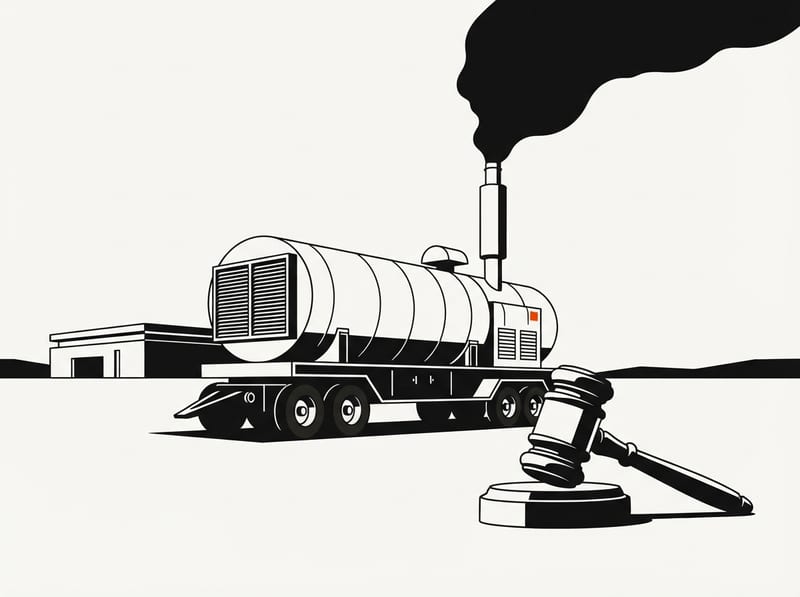
A federal judge denied xAI's motion to dismiss the NAACP's Clean Air Act lawsuit over the gas turbines powering its data center operations, according to TechCrunch. Judge Debra M. Brown issued the ruling on Friday, October 31, 2026. xAI, now owned by SpaceX, had argued that the turbines were exempt from permitting because they are mobile, and that the plaintiffs lacked standing.
Key facts
- Judge Debra M. Brown rejected xAI's arguments on standing, the "mobile source" exemption and the constitutionality of citizen suits.
- The NAACP and its Mississippi State Conference sued xAI and its subsidiary MZX Tech in April, The Next Web reports.
- The complaint says at least 27 turbines were running at the Southaven plant by April, able to generate at least 495 megawatts and emit about 1,700 tons of nitrogen oxides a year.
- The NAACP seeks pollution controls and civil penalties of up to $124,426 a day per violation.
- The same court denied a Justice Department motion to dismiss on October 19, per The Next Web.
What the judge decided
Brown wrote that the plaintiffs have statutory standing under the Clean Air Act and that the turbines are not "mobile sources" under Mississippi's State Implementation Plan. She also held that the citizen suit provision does not violate Article II or the private nondelegation doctrine. In her words, citizen plaintiffs are not exercising executive power because they sue on their own behalf.
The Next Web adds that Mississippi's environmental regulator told xAI in July 2025 that the turbines would be exempt, since each sat on a trailer and would stay less than 12 months. The judge found the regulator had "fairly notified" xAI of that position, but said the court is not bound by it.
Sources differ on some details. TechCrunch quotes the Southern Environmental Law Center as citing at least 35 turbines across the Colossus site, while The Next Web cites the complaint's figure of at least 27 at Southaven. Engadget places the operations in Memphis and Southaven, and reports that the Justice Department backed xAI by describing the operations as crucial to US military operations. The figures likely describe different sites or dates, though the sources do not say so.
Why it matters
The ruling keeps a closely watched test of how air permitting applies to temporary, trailer-mounted power at AI data centers in court. It also rejects a broader challenge to citizen enforcement of the Clean Air Act, a tool environmental groups rely on.
TechCrunch notes the case proceeds as public opinion turns against data centers. New York recently passed a moratorium on new data centers, and other state and local governments are weighing similar steps. Amazon and Microsoft have promised to stop using NDAs in dealings with government agencies.
What to watch next
The court has not yet ruled on the NAACP's request for a preliminary injunction, according to The Next Web. Residents near the plant have also filed a noise class action, and xAI has offered to buy nearby homes from owners who drop their claims.
The Next Web, citing Reuters, says voters in 10 US states will decide on measures to limit data centers on Tuesday, November 3. SpaceX has not commented publicly on the ruling; TechCrunch said it had reached out.