On this page · 4 sections ▾
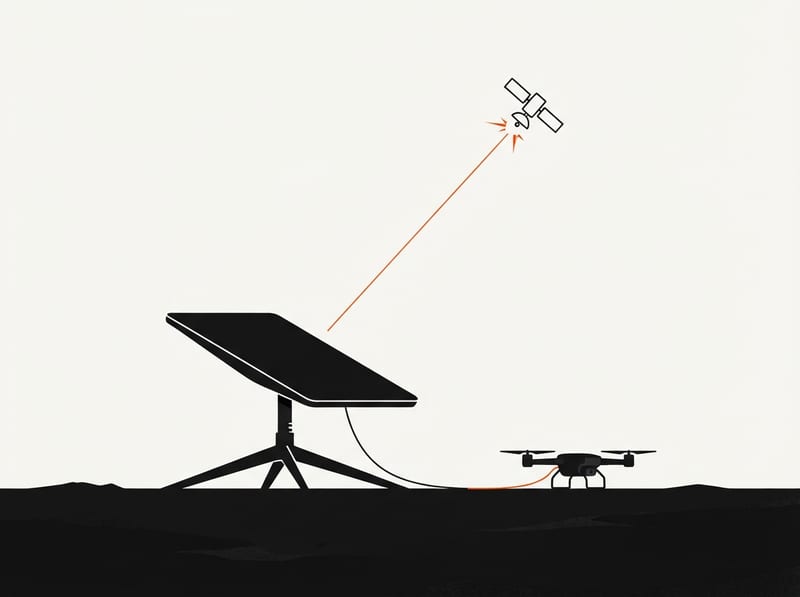
Ukraine says SpaceX's Starshield, the military version of Starlink, is working normally again after a speed cap that disrupted drone operations from mid-October. Defense Minister Yevhenii Khmara told reporters on October 24 that the service appears restored, according to TechCrunch, though the ministry is still testing and has received no explanation for the restrictions.
Key facts
- The throttling began in mid-October. Ars Technica dates it to October 13, while The Next Web says October 14.
- Terminals lost stability above roughly 99 mph (160 km/h), and Ars Technica cites military analyst Michael Kofman saying problems appeared even at 80 mph.
- Khmara said Starlink and Starshield now work for drones flying faster than 400 km/h, per The Next Web, which notes it has not verified the figures independently.
- President Donald Trump reportedly called Elon Musk and asked him to restore service, according to the Wall Street Journal as cited by TechCrunch and Ars Technica.
- Ars Technica reports full restoration came on October 24, after bipartisan calls in the US for congressional oversight of Musk's company and criticism from European leaders.
What the cap did
Starshield allows connectivity at the higher speeds drones need, which commercial Starlink does not, Ars Technica reports. Ukraine uses it on aerial drones, ground robots and naval drones.
According to TechCrunch, drones lost connectivity at speeds around 100 mph, so the military lost control of some, while others were more exposed because they had to fly slowly. The Next Web adds that the speed matters for interceptors: Russia's jet-powered attack drones fly at about 400 km/h, and Ukrainian interceptors must match that. Ars Technica says the disruption coincided with some of Russia's largest drone and missile attacks on Ukrainian cities.
Who is responsible
Responsibility is still contested. The Wall Street Journal previously reported that Musk ordered the throttling, per TechCrunch, though some sources said he discussed it with the Trump administration first. Musk wrote on X that Ukraine had violated Starlink terms of service by using it for offensive drone strikes. The Next Web reports Musk has said the US military, and ultimately the president, decide any limits on Starshield. Ars Technica says Musk and the administration each denied responsibility and pointed at the other.
The Next Web also reports that on the Friday before Khmara's statement, Ukrainian officials told Politico drones were still losing signal above 160 km/h, a day after Trump said Musk had restored the service. Khmara credited direct talks and President Volodymyr Zelenskyy's stance for the change.
What to watch next
The first test is whether the ministry's continued monitoring confirms stable links at high speeds over time. The second is whether SpaceX or the US government explains who imposed and lifted the cap.
The episode is also accelerating work on alternatives. Ars Technica reports that Ukrainian firms such as BlueBird Tech and Buntar Aerospace use fiber-optic cables, radio links and onboard AI to reduce dependence on Starlink, and that Germany is funding tens of thousands of interceptor drones for 2026 and 2027. Eutelsat's OneWeb is already used in Ukraine, but with just over 600 satellites against Starlink's roughly 10,000 it cannot match the capacity. The Next Web notes several European satellite firms are competing to offer a backup.