On this page · 4 sections ▾
Shenzhen, the Chinese tech hub that hosts this year's Asia-Pacific Economic Cooperation summit, is putting its driverless taxis, robots and electric vehicles in the spotlight. According to an Associated Press report carried by Mint on November 16, the summit takes place on Wednesday and Thursday, with Chinese President Xi Jinping welcoming leaders from APEC's 21 members. India Today separately reported on November 15 that China is displaying AI and robotics for military, healthcare and green mobility uses at the event.
Key facts
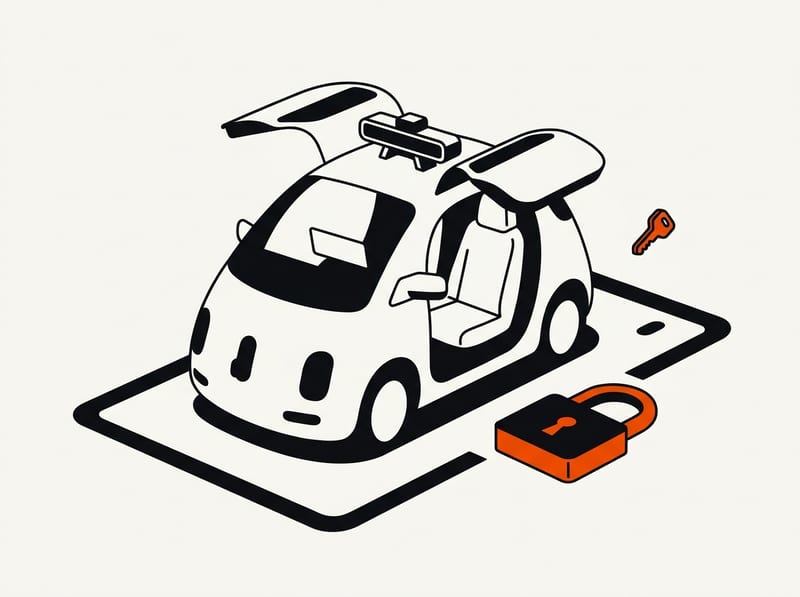
- Pony.ai runs a fleet of almost 2,000 robotaxis and operates in Shenzhen, Beijing, Shanghai and Guangzhou, per Mint.
- The cars use 34 sensors with 360-degree perception and a range of up to 615 meters, according to Pony.ai public affairs director Cong Lin.
- Three journalists rode 7.6 kilometers in 24 minutes for 12.7 yuan, a price reduced by a first-trip discount.
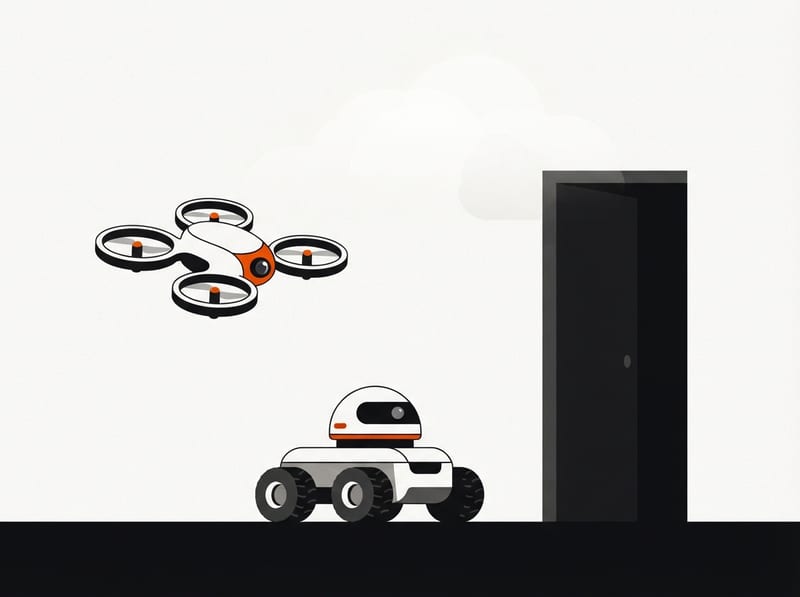
- Ahead of the summit, drone deliveries were suspended and robotaxi services were reduced.
- Shenzhen has more than 18 million residents and is home to Huawei, BYD and Tencent.
What the rides and robots show
The Mint report describes a robotaxi service that works within limits. Trips run only between designated pickup and drop-off points inside approved areas, and pickups start on the western side of the city. Drone deliveries serve only specific locations.
During the ride, the car stopped for pedestrians and red lights and waited with its turn signal on before a left turn. Lin said Pony.ai does not see robotaxis replacing regular taxis, but as one more option for riders.
Shenzhen is also home to Pudu, founded in 2016, which makes service robots for delivering meals, cleaning floors and guiding shoppers. It is also developing humanoid robots and wheeled robots with arms. Co-founder and CTO Guo Cong said supply chain support can arrive within half a day and engineers can reach customers within an hour or two.
Why it matters
The summit comes as China and the United States compete over technologies such as AI, in a rivalry tied to tariff disputes and access to critical minerals. Mint notes that a trade truce was recently extended until January. U.S. President Donald Trump and Russia's Vladimir Putin are among the leaders expected.
Lin credited Shenzhen's policy clarity, describing a clear path from testing with a safety operator to commercial service and then fully driverless operation. Natixis economist Gary Ng pointed to flexible government policy and proximity to Hong Kong as reasons the city can experiment differently from the rest of China.
What to watch
The pre-summit restrictions show that these services remain tightly managed. Watch whether drone deliveries and full robotaxi service resume after the summit, and whether service areas expand beyond the designated zones. The trade truce expiry in January is the next marker for the wider US-China technology contest. India Today's coverage points to military, healthcare and green mobility showcases, but its summary gives no further detail on specific products.