On this page · 4 sections ▾
Apple announced its first touchscreen MacBook Pro on October 28 at a "Pro and tell" event in Los Angeles. The 14-inch model starts at $2,899 and the 16-inch at $3,399, according to The Verge. Pre-orders opened that day, with shipping on November 6.
Key facts
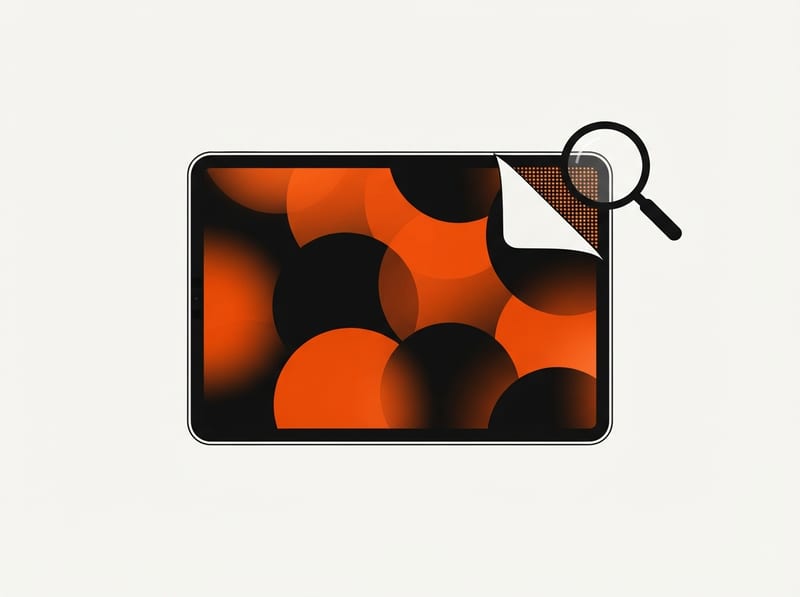
- Display: a tandem OLED panel Apple calls PROLED XDR, with up to 2,000 nits of peak brightness and a 10,000,000:1 contrast ratio. Screen sizes are 14.2 and 16.3 inches.
- Chips: M5 Pro or M5 Max, not the M6 found in other Macs announced this week.
- Pricing: M5 Pro models start at $2,899 (14-inch) and $3,399 (16-inch). Ars Technica reports M5 Max starts at $4,499 and $4,799.
- Weight: 3 pounds for the 14-inch and 4 pounds for the 16-inch, with up to 24 hours of battery life.
- Configuration: up to 128GB of memory and 16TB of storage, per Tom's Hardware.
What changed in the design
This is the first MacBook Pro redesign since 2021. The camera notch is replaced by a Dynamic Island that can show Live Activities, and the glowing Apple logo on the lid returns. Tom's Hardware notes that logo has not appeared on a MacBook Pro since 2016.
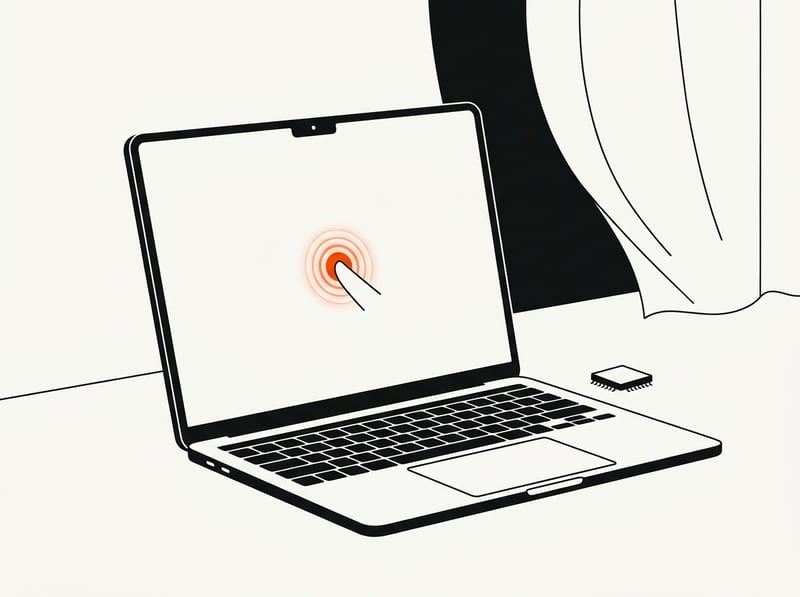
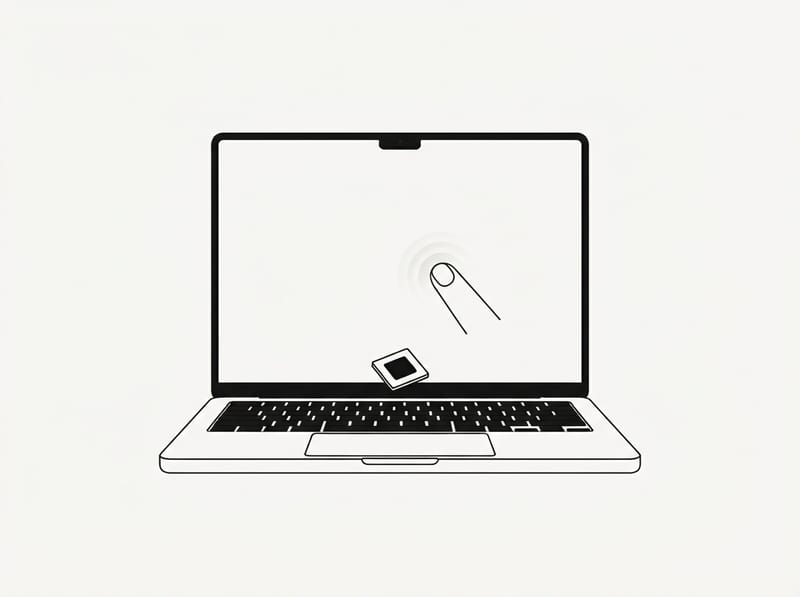
Apple says the touch sensor is built directly into the display panel rather than layered on top, which it claims reduces latency. A newly designed hinge is meant to keep the screen from wobbling when touched. Ars Technica notes the demo footage showed a standard laptop layout, not a 2-in-1 convertible.
Both models are slightly thinner: half a millimeter for the 14-inch and nearly a millimeter for the 16-inch, according to Apple. Ports include MagSafe 3, three Thunderbolt 5, HDMI, an SD card reader and a headphone jack. The laptop supports three external displays, or four with M5 Max.
Why it matters
Apple has opposed touch laptops for years. The Next Web recalls Steve Jobs calling them "ergonomically terrible" and Tim Cook comparing a laptop-tablet merger to a fridge and a toaster. Citing Bloomberg, it reports Cook and John Ternus began backing the idea about four years ago, hoping to lift Mac sales and charge more for premium features.
Software matters as much as hardware. Apple says its own apps are touch-optimized and an updated API lets developers add touch. Tom's Hardware lists Notion, Canva, Zoom, Microsoft Word, Excel, PowerPoint, Adobe Lightroom, DaVinci Resolve and Blender as working with touch right away.
What to watch
The chip choice stands out. Ars Technica says earlier reports suggested Apple might hold the MacBook Pro until the M7 series, which could improve AI performance. Buyers will weigh the M5-based touch model against the M6 MacBook Pro launched on October 27, which The Next Web says keeps a regular screen and starts at $1,999.
Open questions include burn-in protection, which Ars Technica says Apple referenced without detailing, and how well third-party apps adapt to touch once the laptops ship on November 6.