On this page · 5 sections ▾
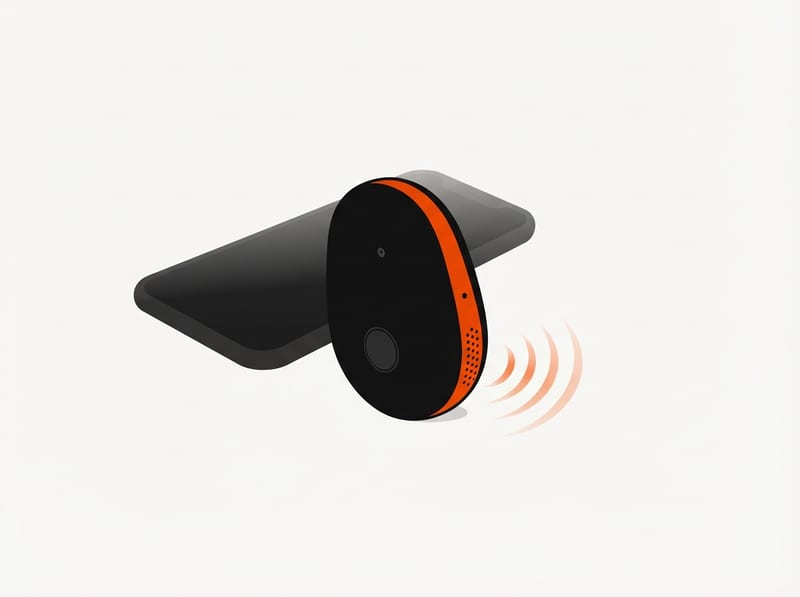
An AI-native device is a piece of hardware built around an AI system rather than adding AI to a phone or laptop. Many of these products have no screen. Their purpose is to collect real-world context, such as conversations, and hand it to AI software with little effort from the user.
As TechCrunch reported, Nothing CEO Carl Pei said on X that the company's first "AI-native product" ships in December. In his words, it is a tool with "no new screen" that "couldn't have been an app." Nothing has not disclosed its name, price or specifications.
What problem is it trying to solve?
Pei's argument, as summarized by TechNode, is that AI tools lack much of the context around people's work. Chatbots only know what a user types or pastes in. Ideas voiced in meetings or hallway talk never reach them.
Mint quotes Pei's example: someone says something worth keeping over coffee, and the listener has to take out a phone and write it down. By the time they look up, the moment has moved on. Or they skip it, and the idea is gone by evening.
A dedicated device aims to remove that step. It captures information in the background, so the person stays in the conversation.
Why not just use a phone app?
A phone app is possible in theory, but it has practical limits. The phone sits in a pocket, locks itself and competes with other apps for attention. Using it means interrupting the exchange, which is the cost Pei describes.
A separate object can be always at hand and do one job. That is the logic behind "it couldn't have been an app." Pei did not detail the technical reasons, so the exact advantage of Nothing's design is still unknown.
What might it actually be?
Nothing has not confirmed the function. India Today notes that reports strongly suggest an ambient voice recorder, and that with no display, users would interact mainly by voice or other non-visual means. Mint likewise says Nothing has not confirmed voice recording, note-taking or meeting summaries. Treat the recorder idea as speculation.