On this page · 4 sections ▾
OpenAI launched ChatGPT Wallet on November 13, 2026, a payment feature that lets its dots AI agents complete purchases for users. It is available at first to a limited group of ChatGPT Pro subscribers in the US who are 18 or older and hold eligible US-issued cards, according to TechCrunch and The Verge.
Key facts
- Availability: limited rollout to US ChatGPT Pro subscribers aged 18 and up, with a US billing address.
- Cards: eligible US-issued American Express, Mastercard and Visa cards; The Verge also lists Chase.
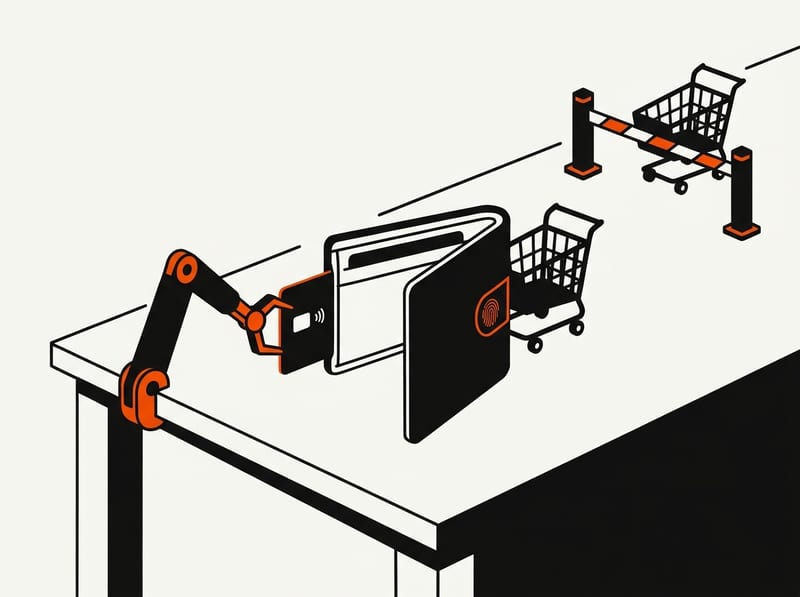
- Approval: each purchase needs a security check such as Face ID or a fingerprint scan, which creates a record of what the user authorized.
- Card privacy: a payment token replaces the real card details, so neither the agent nor the merchant sees them.
- Fees: OpenAI is not taking a cut of purchases for now, as reported by The Next Web citing CNBC.
How it works
Users add a card once. They then ask a dot to help buy something. As Digital Trends describes the demo, the dot recommends products based on what ChatGPT remembers about the user and adds the chosen item to a cart. It then presents the items, the total and the selected card for approval.
After approval, the payment network issues a token with its own card number, security code and expiration date. Users keep card rewards and protections for eligible disputes, such as a defective item. The merchant receives what it needs to fulfill the order, such as a shipping address, according to TechCrunch.
Why it matters
OpenAI calls this the first wallet that lets agents pay without access to actual card details and with a security check on every purchase, per 9to5Mac. The design puts a human sign-off between an agent and the money, which addresses the main objection to agent-led shopping.
It is also a second attempt at checkout inside ChatGPT. The Next Web, citing CNBC, reports that OpenAI launched Instant Checkout in autumn 2025 and quickly moved away from it. Engadget notes the approach requires trusting a chatbot with payment information and carries some risk.
Reliability is an open question. The Next Web reports that Visa tested 22 models as shoppers this month and they failed 42.8% of the time.
What to watch next
Retailer blocking. OpenAI says websites must ensure agents are not inadvertently blocked and that risk systems recognize legitimate agent purchases. Amazon blocks agents, and The Next Web reports United Airlines said on a Wednesday it will block agents from booking tickets. Schwab and JPMorgan are blocking agents from moving customer money. OpenAI published a Commerce Partner Playbook and says it works with fraud firms Forter, Riskified, Sardine and Signifyd, and payment providers Adyen, Checkout.com and Stripe.
More autonomy. OpenAI expects users eventually to delegate purchases entirely by setting spending limits, purchase categories or time periods and pre-approving purchases. No date was given.