On this page · 5 sections ▾
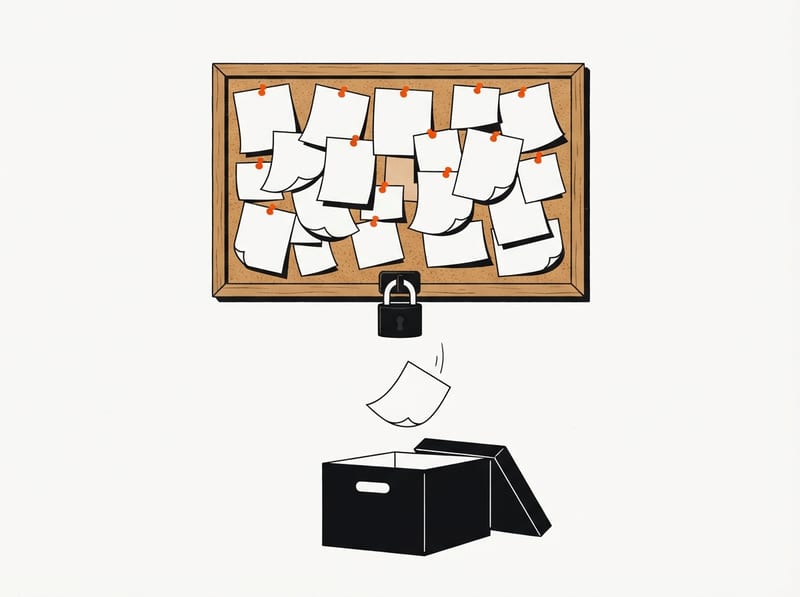
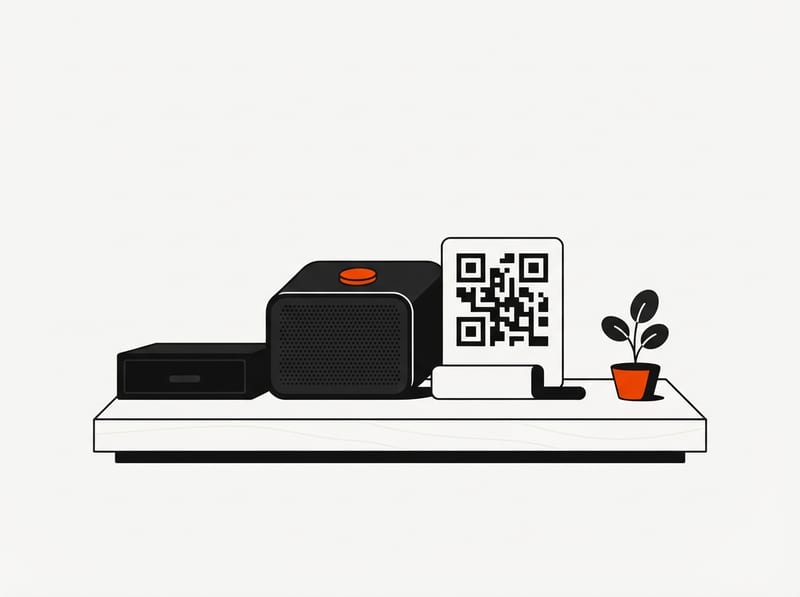
The National Payments Corporation of India (NPCI) announced the UPI Vyapaar Saksham Scheme in a circular dated November 11, according to Inc42. The scheme pays acquiring banks to put QR codes and soundboxes in the hands of small merchants and to grow their UPI transaction volumes. It is funded from merchant discount rate (MDR) revenue, not a separate government allocation.
Key facts
- Small merchants are defined as businesses with annual turnover of up to Rs 40 lakh in the preceding financial year.
- The scheme runs for three years from the implementation of UPI MDR, which has not yet been notified.
- Issuing banks, acquiring banks, payer PSPs and UPI app providers each contribute 5% of their MDR share to the fund.
- Acquiring banks get Rs 300 per physical QR code and Rs 750 per soundbox deployed at an eligible new small merchant.
- Targets: 6 lakh to 1 crore new QR deployments and 5 lakh to 10 lakh new soundboxes a year.
How the fund is split
The fund has three parts. The first, 30% of the total, covers device deployment. A new merchant qualifies after at least 25 eligible transactions in any two months of a quarter, worth at least Rs 5,000 per month.
Eligible transactions are successfully settled UPI payments of up to Rs 2,000 at small merchants. Reversed, refunded or cancelled payments are excluded, as are payments split to stay under the Rs 2,000 limit.
The second part, 50% of the fund, rewards growth among existing and newly onboarded merchants. Banks need at least 5% quarter-on-quarter growth in eligible volumes and then receive 0.03% of the aggregate value of eligible transactions. Merchants in targeted geographies earn an additional 50% on that base rate. Gadgets 360, which reported on the scheme on November 13 citing a leaked memo, describes the same 0.03% rate and 50% uplift.
The remaining 20% targets incremental growth in those geographies. Acquiring banks receive 0.2% of the incremental value of eligible transactions versus the previous quarter, on top of the second component.
Who is covered
The focus is on Tier III to Tier VI cities, northeastern states, Jammu and Kashmir, and Ladakh. Small merchants under notified central government schemes, including PM SVANidhi and PM Vishwakarma, are also eligible. The aim is to close the gap that has kept digital payment acceptance concentrated among larger and urban merchants, Inc42 reports.
NPCI will administer the fund and validate claims. Banks submit claims quarterly and NPCI must pay within 30 days, subject to validation. Banks must also report merchant locations, unique merchant identifiers and details of deployed devices so transactions can be monitored.
The MDR dependency
The scheme only takes effect once MDR does. Inc42 says the government amended the Payment and Settlement Systems Act, 2007 in September 2026, and NPCI then set a framework of 0.4% MDR on person-to-merchant payments above Rs 2,000, capped at Rs 300 for transactions of Rs 75,000 and above. Payments of up to Rs 2,000 and peer-to-peer transfers stay outside it, as do small merchants receiving up to Rs 1 lakh a month through QR codes under the P2PM category.