On this page · 4 sections ▾
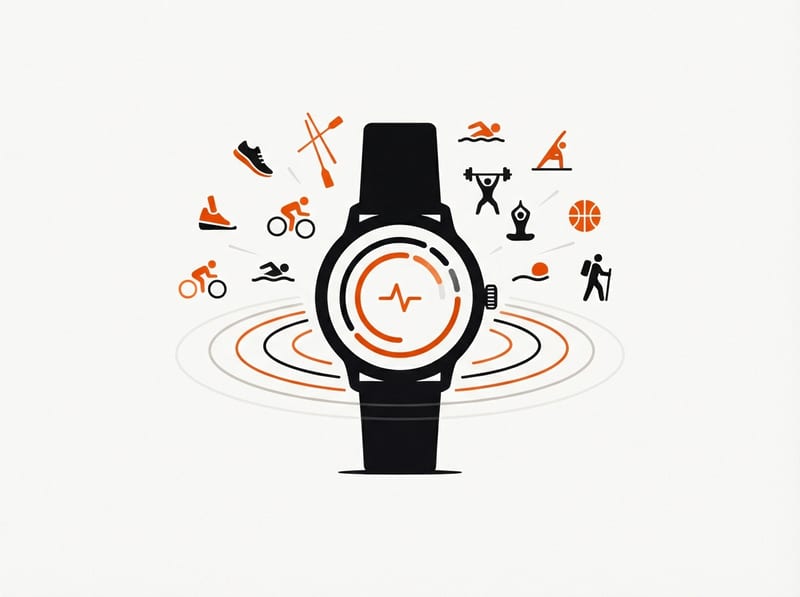
Google began rolling out Google Health 5.11 on October 23, according to 9to5Google. The update raises the number of activities that Fitbit trackers and Pixel Watches can detect automatically from 10 to as many as 100. It is available on iOS and still rolling out on Android.
Key facts
- Automatic activity tracking now covers up to 100 activities, including strength training, swimming, and racket and team sports.
- It is available now on Fitbit Air and Pixel Watch 3, 4 and 5. The Fitbit Edge gets it at launch on October 27.
- Google says contextual reasoning makes detection nearly 2x more accurate and cuts missed workouts by more than half.
- Blood pressure and insulin resistance trends come to Fitbit Air and Edge for Google Health Premium subscribers, with first reports at the beginning of November.
- Lingo by Abbott can connect directly to the app in the US, with glucose data showing within 30 minutes of a reading.
How the new detection works
Per 9to5Google, the system uses workout routines, historical data and manual edits to decide what you are doing. Digital Trends adds that location can also be used if the user allows it, and lists cardio machines, golf and high-intensity workouts among the newly supported activities.
A workout is logged when it meets a minimum duration, 15 minutes by default, with a sustained elevated heart rate. A summary typically reaches the app within 30 minutes. Confirming or editing an activity feeds back into the model so it learns your patterns.
Android Authority notes that the exact heart rate threshold is not clear, and it describes the expanded range as more than 100 activities, while 9to5Google's release notes say up to 100. Users may see a new screen explaining the feature the next time they open the app.
Health Guardian, glucose and sleep
Health Guardian features for Fitbit Air and Edge require a Google Health Premium subscription. Blood pressure trends need 5 or more consecutive days of wear in October. Insulin resistance trends need 7 or more days and nights of wear in October. Digital Trends says Google Health Coach can use these patterns to adjust fitness and wellness guidance.
Blood glucose is now labeled simply "Glucose" in the app, and users can set custom time-in-range goals for data from connected continuous glucose monitors. Premium members can also ask Google Health Coach about glucose trends.
Sleep tracking now factors in step data to catch short awakenings, such as a bathroom trip, and naps can be removed from the nap card.
What to watch
The Fitbit Edge arrives on October 27, which will be the first test of the detection system on new hardware. Early November brings the first Health Guardian reports for Fitbit Air owners, and the accuracy claims come from Google, so independent testing is still to come. Android Authority also points out that the Health Guardian suite can be confusing, so clarity of the new reports is worth watching.