On this page · 4 sections ▾
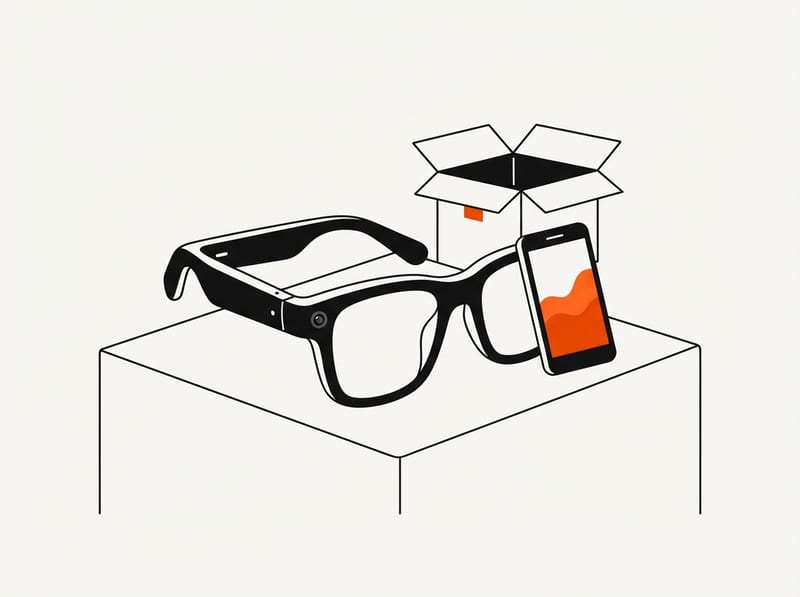
Google and Samsung opened preorders on November 12 for Intelligent Eyewear, Gemini-powered smart glasses built on Android XR and designed with Warby Parker and Gentle Monster. Prices start at $395, and the glasses ship and reach stores on December 10, according to 9to5Google.
Key facts
- Price: Warby Parker starts at $395 (three styles: Alden, Reid and Wren). Gentle Monster starts at $449 (six styles), and The Next Web puts its range at $449 to $489.
- Availability: Preorders now, shipping and retail on December 10. Warby Parker sells only in the US; Gentle Monster sells in the US and South Korea.
- Hardware: A 12-megapixel camera, nine-hour battery life, and a Qualcomm Snapdragon AR1 Gen 1 chip. There are no displays in the lenses.
- Weight: About 41 grams per Wired; 9to5Google lists a range of 40 to 44 grams.
- Phone support: Pixel 7 or newer, Galaxy S and Z series on One UI 9.0 or higher, and iPhone 13 Pro or newer.
What the glasses do
The glasses are audio-first. Users summon Gemini with a new "Hey Gemini" hotword or a touch-sensitive temple, then ask about what the camera sees, add an event poster to a calendar, get Google Maps directions, translate speech, take calls and play music. Wired reports that Google's Juston Payne describes them as designed for Gemini assistance through the day more than for capturing content.
On iPhone, 9to5Google's companion report says the glasses carry Made for iPhone certification, which enables fast media transfers over Wi-Fi Aware. Media saves to Apple Photos, and Gemini can send messages including iMessage.
Privacy is the pitch
Google is leaning heavily on privacy, as Meta's camera glasses have drawn public scrutiny. A white indicator light shows when the camera records, and the glasses stop recording if the light is covered or disabled. Faces of bystanders are redacted before Gemini processes visuals, and Google says those visuals are not saved to Gemini History or used for AI training or ad targeting.
Ars Technica adds some limits. Terms of use bar recording people without consent, and Google may remotely disable glasses that break the rules. Play Store apps cannot live stream video from the glasses, and real-time facial recognition is off the table. Ars also notes that data is encrypted on the device and in transit but not on Google's servers, and that Google is working on Private AI Compute for glasses.
What to watch
The glasses face Meta, which The Next Web says shipped 81% of AI glasses in the first half of the year. Their value depends on Gemini's reliability, and Ars points out that without a screen it is harder to check the assistant's output.
Phone support is narrow at launch. A Google spokesperson told Wired the company will share more about expanding it in 2027. Display glasses remain on the road map with no release window, and Warby Parker co-CEO Dave Gilboa said a "pretty robust pipeline" of further products is coming. Final prices will also vary with prescription lenses, since the listed figures are starting prices with non-prescription lenses.