On this page · 6 sections ▾
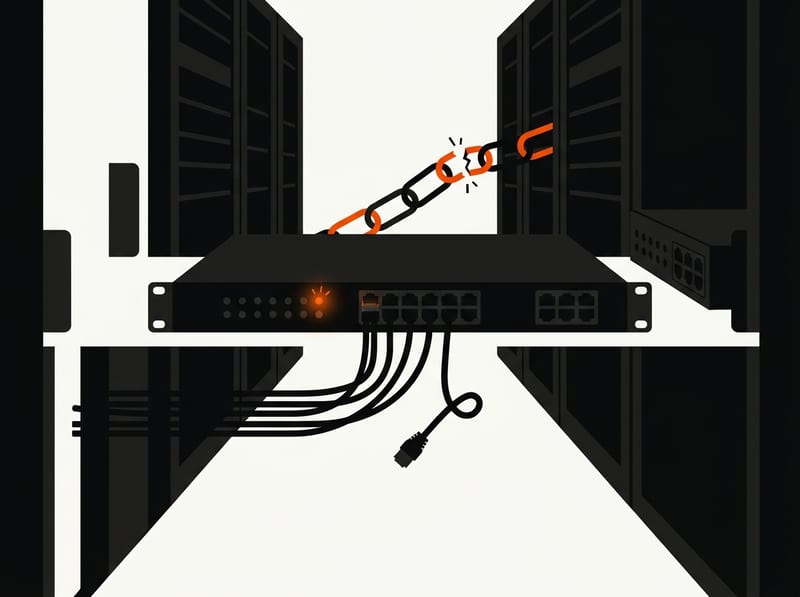
A single internal update can disrupt many services at once because modern online products share common building blocks, especially the systems that verify who you are. When one of those shared pieces fails, everything that relies on it fails too, even if the apps look unrelated. That is the likeliest reason an Apple update touched iCloud, stores and more in one go.
What happened, in brief?
As MacRumors reported, Apple told Bloomberg the outages came from an unspecified "internal update" and not a cyberattack. Reports of trouble began around 11:45 a.m. ET, with users unable to reach their Apple Accounts. Apple retail systems were also offline, and customers in stores could not complete purchases.
Apple has not said what the update changed. What follows is general background on how such failures work, not a diagnosis of Apple's systems.
Why do unrelated services fail together?
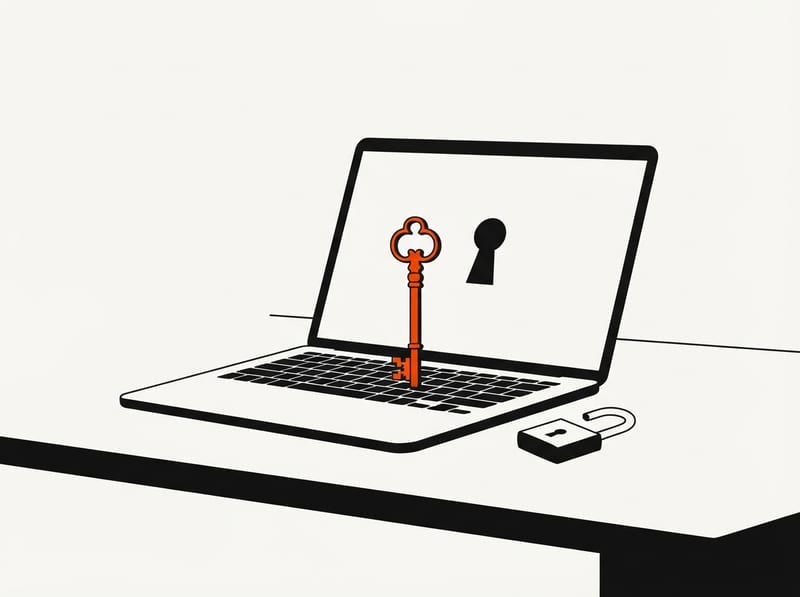
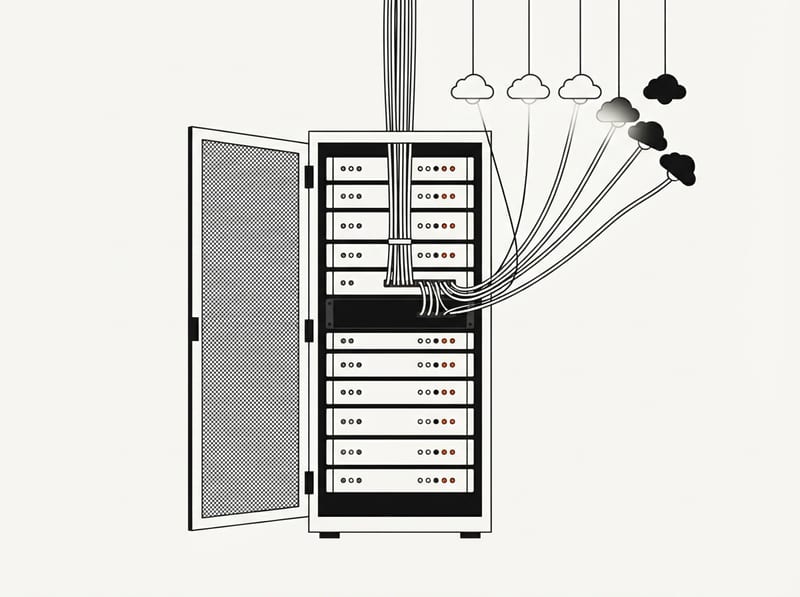
Big companies rarely build each product from scratch. iCloud, the App Store, Apple Music, Apple Pay and device activation all need to know who you are and whether you are allowed in. Rather than repeat that work, they call a shared identity and sign-in layer.
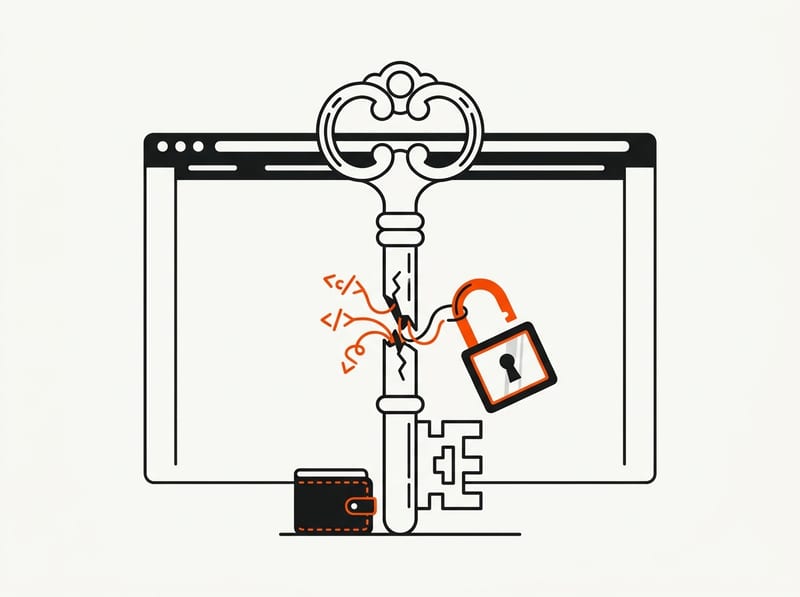
That is efficient, but it creates a dependency. If the sign-in layer is slow or returns errors, each service that asks it a question gets no answer. 9to5Mac noted that users were signed out of iCloud unexpectedly and then hit verification failures or unknown errors when trying to sign back in. That pattern fits a shared authentication problem, though Apple has not confirmed it.
The same logic can reach beyond consumer apps. Reports listed Apple Business Manager, Apple School Manager, retail systems and developer access to App Store Connect among the affected items. Internal tools can lean on the same foundations.
How can an update cause an outage?
Software at this scale changes constantly. An update might alter a configuration, a database, a network rule or a piece of code. If a change behaves differently in production than it did in testing, it can cause errors that spread across servers quickly.
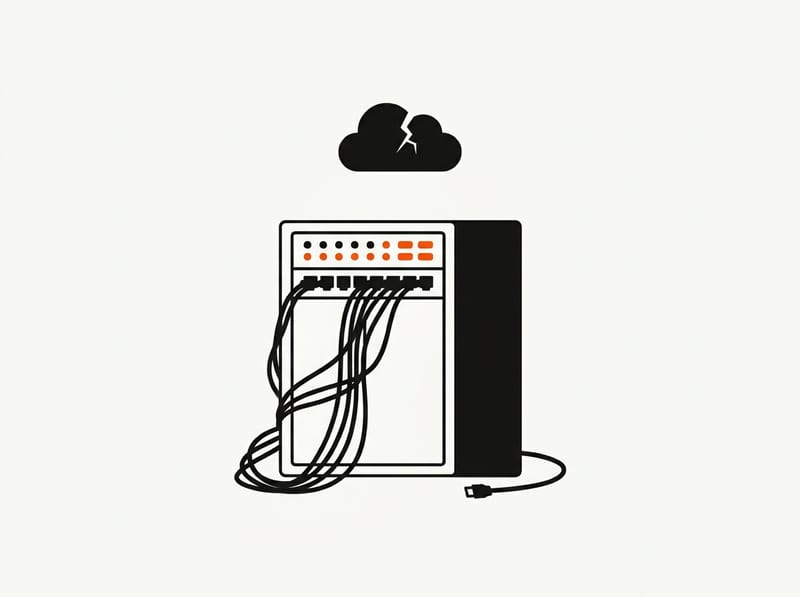
Recovery is often slower than the failure. Teams must find the faulty change, reverse it or fix it, then bring systems back in a safe order. Restarting everything at once can overload servers that are already struggling. That may explain why consumer services came back first while, according to 9to5Mac, developer-focused services were still having issues.